
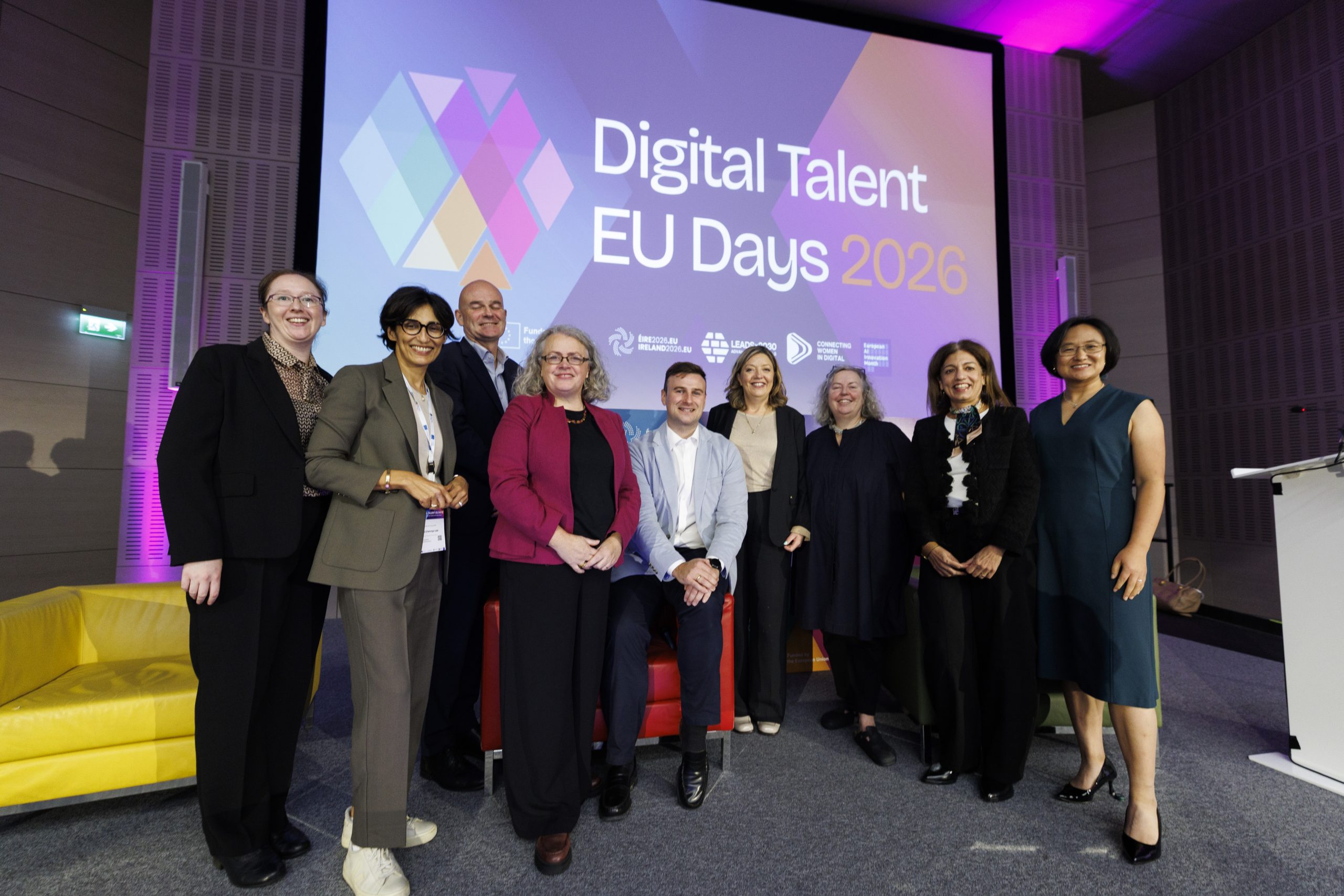
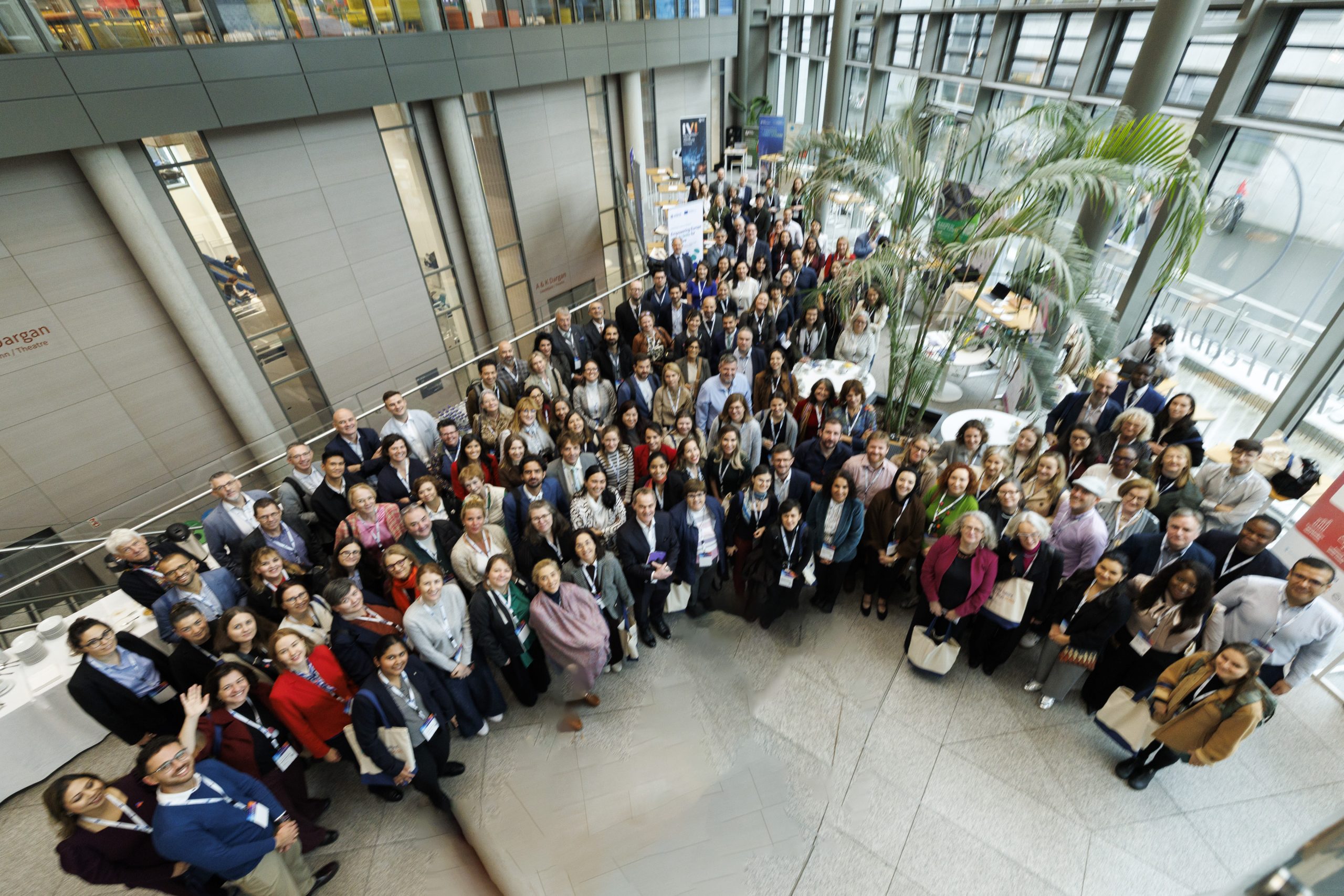
Digital Talent EU Days 2026 brought policymakers, industry leaders, educators, researchers and community organisations to Trinity Business School in Dublin on 15–16 October to explore how Europe can develop, attract and retain digital talent. Across two days, participants considered what the growing use of AI means for jobs and learning, how education can respond to changing industry needs, and what enables people to build lasting digital careers. Women’s access to education, employment and leadership was central to these discussions, alongside the wider challenge of turning investment in skills into practical opportunities for people and organisations.
Organized by Connecting Women in Digital and LEADSX2030, in partnership with the European Commission, Department of Further and Higher Education, Research, Innovation and Science and local partners including the Irish Digital Skills and Jobs Coalition and BlockW, the event connected European priorities with the experiences of those delivering training, recruiting talent and supporting participation in the digital economy.
Digital talent and opportunity
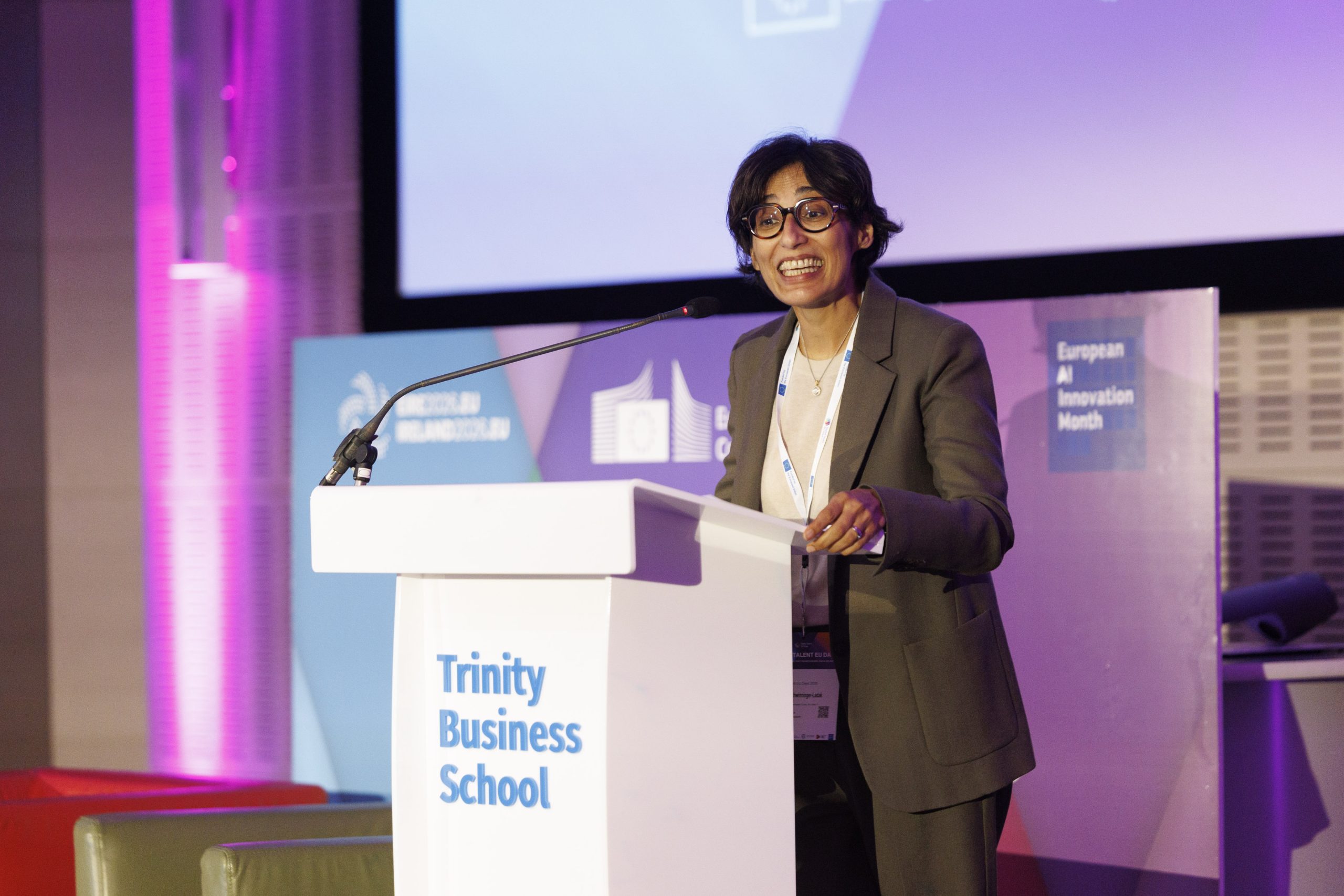
At the Official Welcome, Rehana Schwinninger-Ladak, European Commission, emphasised the need for professionals who combine technical expertise with governance, and for education to match employers’ needs. With women still accounting for fewer than one in five EU ICT specialists, she stressed their role in designing, testing and leading technology. Linda Doyle, Provost of Trinity College Dublin, expressed her conviction in Europe’s role with the words: “Europe is the only hope for the world.”
In State of Digital Talent EU 2026, Prof. Na Fu and Sarah Rose Flynn examined how investment in skills can create lasting value and equal influence for women. The newly launched Women in Digital Index recorded an EU average of 49.9 out of 100, led by Sweden, Finland and Ireland. ICT education remained a weak point across Member States, while leadership gaps persisted even among strong performers.
Talent of the Future – Agents In The Workforce featured Bernie Foley, Vice President of Product Management at Workday, who used examples of employee self-service and interview scheduling to show how AI agents can reduce administration, support decisions and give employees more time to apply their skills. Her conversation with Laurent Muzellec explored uncertainty about AI and the continuing importance of analytical thinking and judgement. The wider debate, Is everything AI these days?, considered how AI’s growing prominence is shaping investment and skills priorities, and how expectations about the technology compare with practical changes in the workplace.
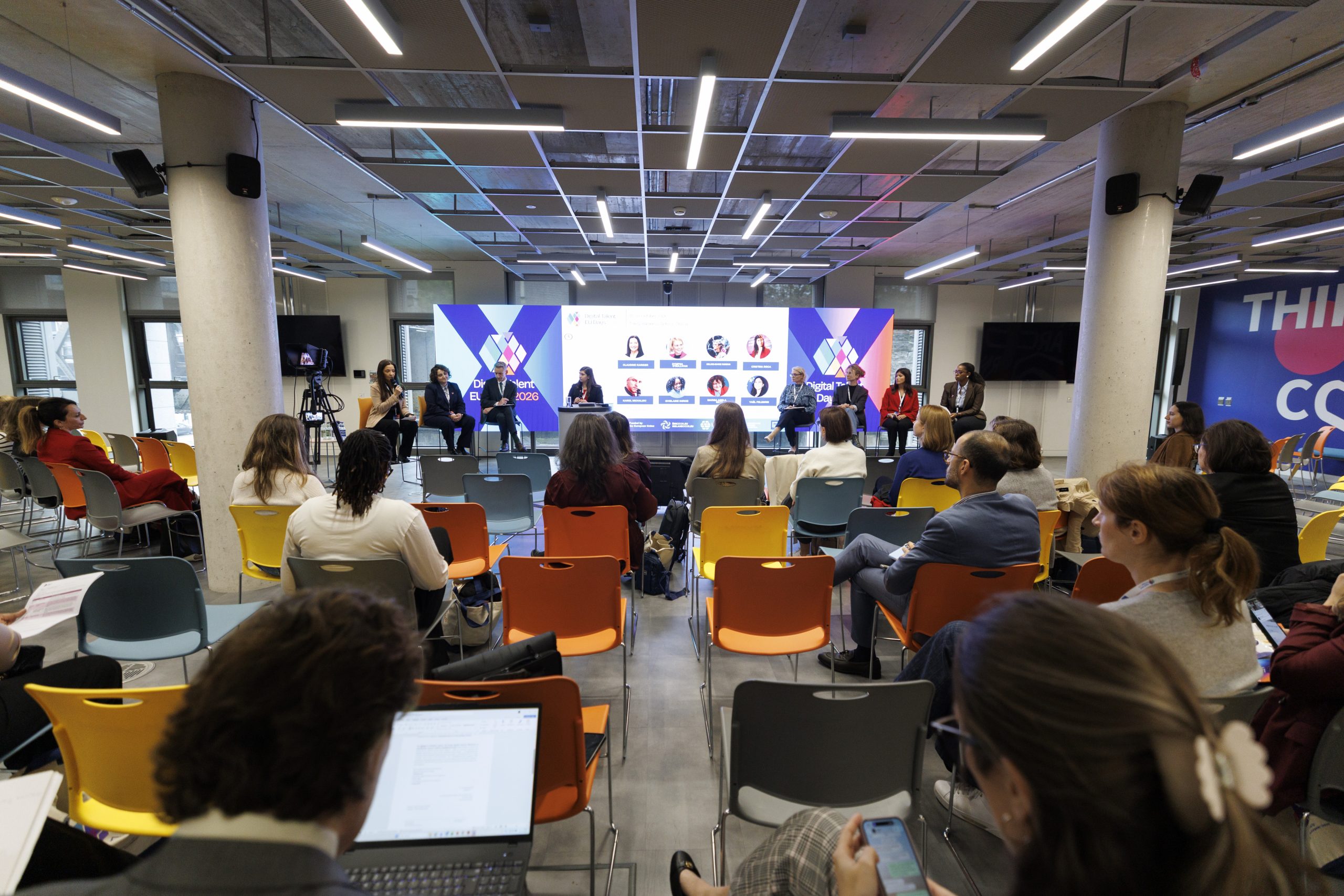
Women in Digital: Evidence for Member State policies brought together representatives from Luxembourg, Malta, Poland, Ireland, Spain, Austria and Belgium to share approaches to widening women’s participation in digital education and careers. Examples ranged from school visits and role models to interdisciplinary degrees, opportunities portals and coordinated national strategies.
In Leading teams that build big – lessons for delivering AI at scale globally, Salvatore Nigro, CEO of JA Europe and a WID Forum Governing Board member, approached opportunity through a personal story of learning to programme on an Olivetti. His parents did not know technology, but recognised the value of giving him access to it. He connected that experience with widening opportunities for young people, encouraging curiosity and creativity alongside technical skills, and the work of LEADSx2030, Connecting Women in Digital and EU Code Week.
Connecting skills with changing industry needs
The launch of the AISHA European AI Skills Academy in Shaping Europe’s AI Talent Future addressed the need to connect fragmented training provision with industry demand. The relationship between shared standards and changing technologies was explored in Competence Frameworks – Bin or Keep?, while Foresights and Data brought a longer-term perspective through Ireland’s developing National Skills Observatory and DS4Skills, examining how skills data can connect learners, courses and employers.
Specialist workforce needs featured in The Evolving Face of Cyber Roles and Building Sectoral Specialisms, which focused on cybersecurity careers and links between the EU Digital Skills Academies and industry. In Chips Need People: Building Europe’s Semiconductor Workforce; The talent challenge behind the Chips Act, beyond manufacturing capacity, participants discussed apprenticeships, closer feedback between industry and universities, and the importance of retaining experienced staff alongside recruiting new talent.
Access to employment raised a different set of challenges. Speakers in EU Talent Pool: International Talent for Europe’s Digital Future described how immigration processes, qualification recognition and language barriers affect people’s routes into work and entrepreneurship. The SME Superpower – Turbocharging your Career explored the wider responsibilities and access to decision-makers that smaller businesses can offer, while acknowledging uncertainty and the need for self-direction. Employers’ role in shaping and delivering training was examined in SME Engagement for Talent Retention.
In Coalition – Access to the workforce in the realm of AI, the discussion distinguished individual AI use from organisational strategy and stressed the need to reach people outside employment. FIT outlined its ambition to help 400,000 people in Ireland gain essential AI skills by 2030.
Putting the Forum’s work into practice
During both days, the Forum’s thematic working groups tested tools and discussed recommendations with participants. From Classroom to Career: Validating Tools to Keep Girls on Digital Pathways (TWG5) gathered feedback on three toolkits for career guidance, inclusive schools and partnerships. In Future Workforce Architecture for VET: Women’s Re-entry in the AI Era (TWG3), participants tested four tools covering institutional readiness, partnerships, onboarding and re-entry.
Framework for intersectional approaches to talent (TWG4) examined how disability, migration background, income and geography overlap with gender barriers. Participants in AI for all and by all (TWG6)? explored how five priority recommendations could strengthen women’s influence in the AI economy, discussing paid learning time, participation in AI decisions and ways to measure career outcomes while recognising that regulatory compliance alone does not guarantee equality at work.
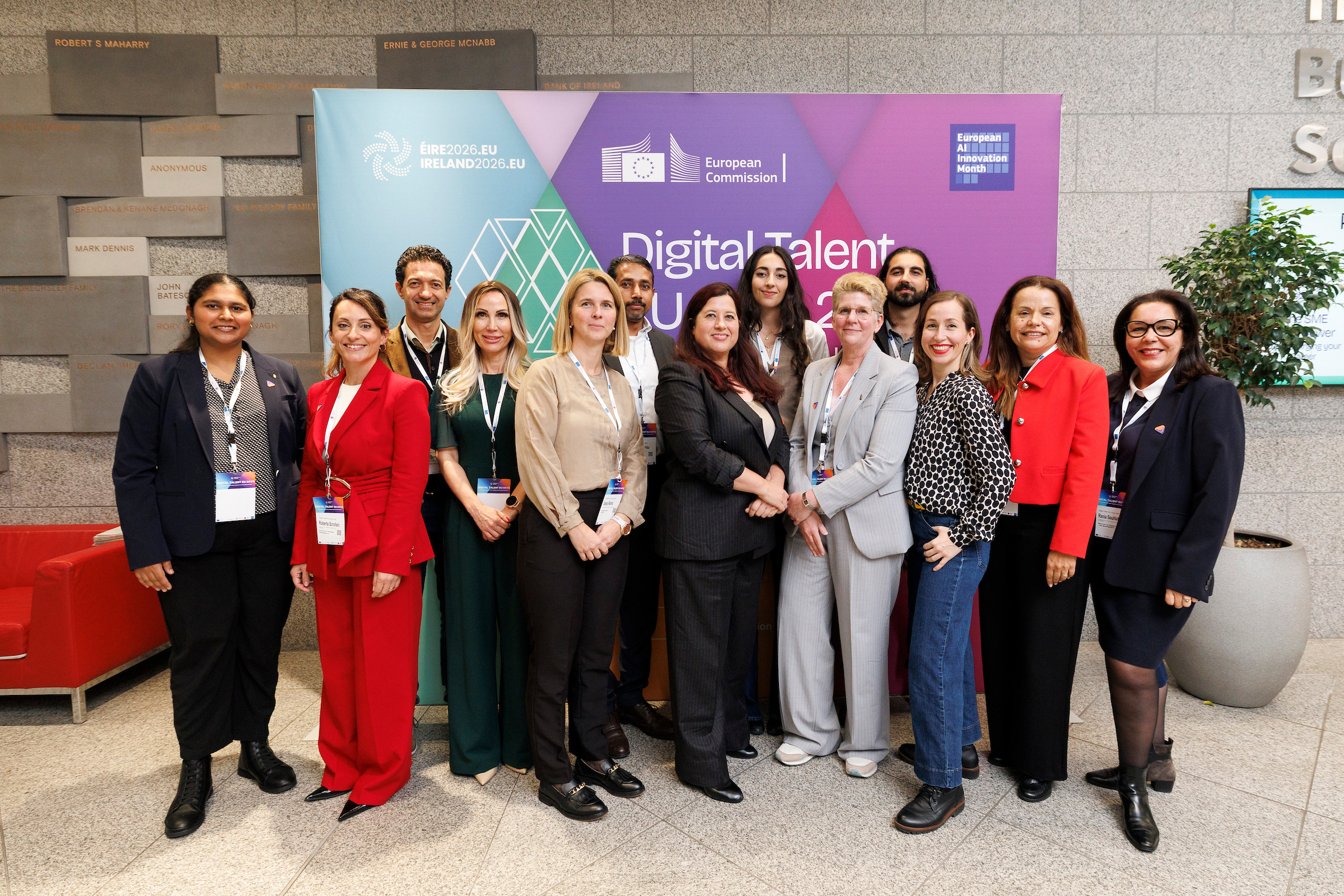
Opened by Yaël Pelegrin from the European Commission, the WID Forum Assembly gave members an opportunity to reflect on their experiences and propose priorities for the community’s future. The Forum brings together 357 members across 38 countries, and feedback from the TWG sessions in Dublin will help refine its tools and recommendations before publication.
Skills and workplace change
The second day examined how learning can change working life, with Skills Won’t Save Us: Why Talent Development Alone Is Failing Digital Transformation showing why training needs changes to organisational processes and working conditions. New Models for Industry Talent Development explored co-funded training through Ericsson’s university partnerships and DIGITAL4Business’s modular programmes.
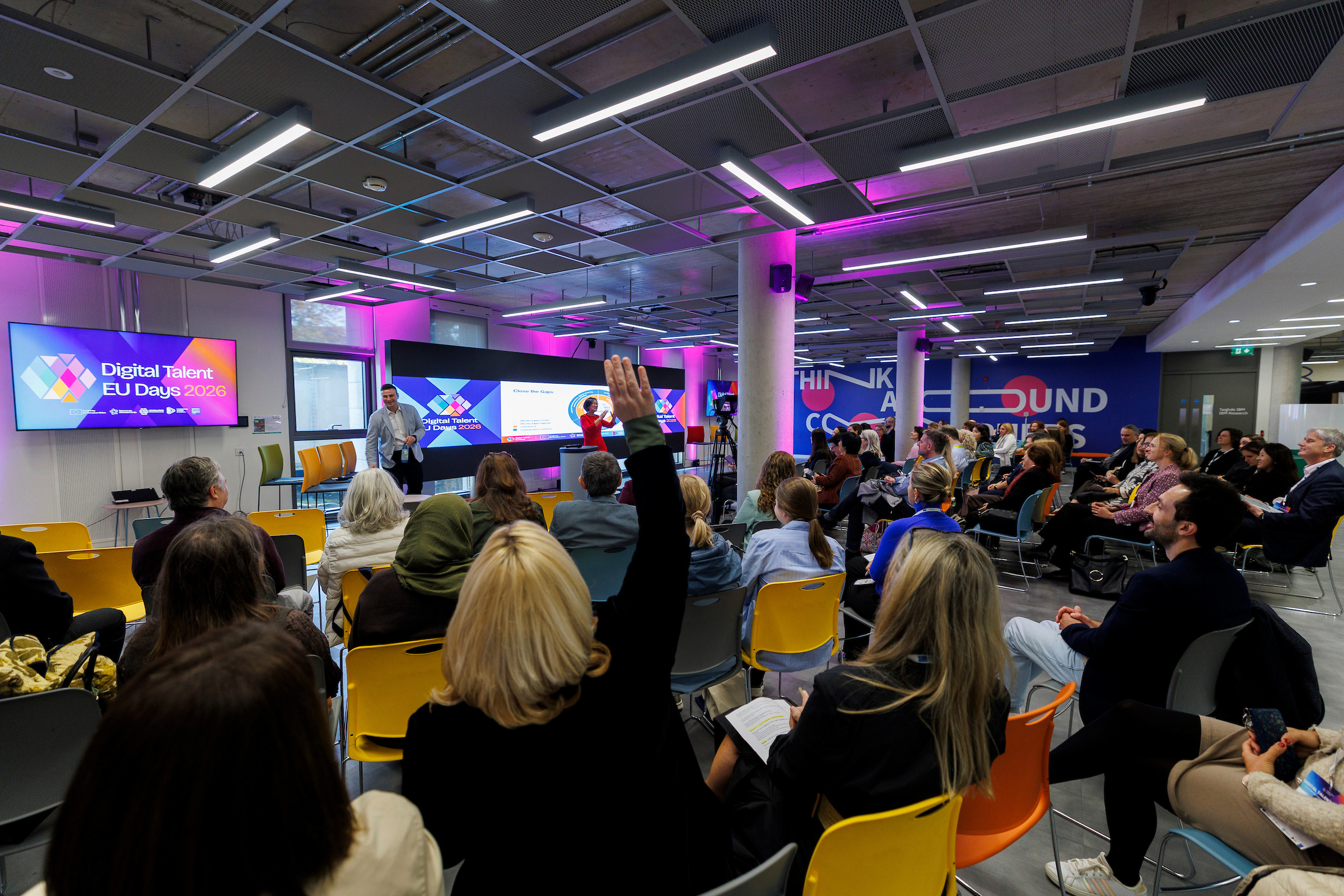
Role-specific learning featured in Building AI talent in Healthcare, where SUSA combined shared learning objectives with distinct cases for clinical, administrative and support staff. From code to context: Developing AI-ready talent across domains launched an AI sub-cluster to gather practical cases and ethical dilemmas for future policy work. Routes into digital careers were explored in Can the great reskill provide a window to close the gaps in ICT?. Educators’ own learning needs were addressed in Professional Development of STEM Education Professionals in the Age of GenAI.
Careers, growth and participation
Career development, purpose and workplace relationships shaped Retaining Talent: Building Careers, Digital Capability and Connection, while Technically Speaking – Retention of women in digital roles as the way forwardexplored support for women to stay and progress in digital careers. The relationship between workforce needs and growth funding was examined in So you want to scale up…Talent and deeptech investment.
An invited Member State policy workshop provided space for European and national exchange, while a detailed Index session returned to the evidence on women’s participation across education, employment and leadership.
AI that benefits everyone
Alessandra Sala’s closing keynote, Building the tide that raises all ships, connected women’s participation with the technologies shaping working life. Her presentation showed how partial data and historical inequalities can reproduce bias in AI, including stereotypes about occupations. Her three priorities were policy addressing gender gaps and AI-facilitated violence, funding that supports gender equality, and job quality with women in AI leadership and governance
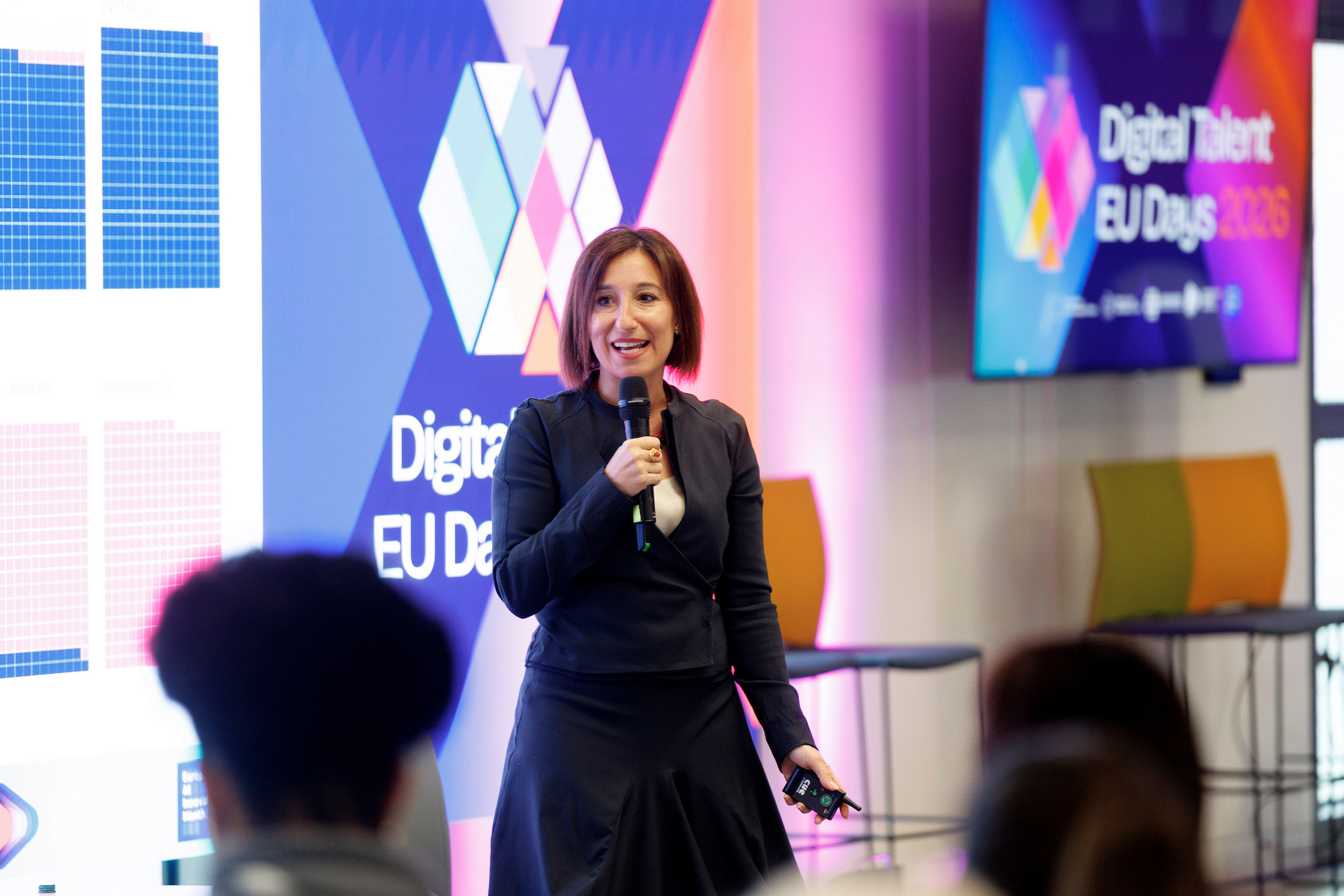
Digital Talent EU Days 2026 reinforced that Europe’s digital transformation depends as much on people as on technology. Its ambitions in AI, chips and cybersecurity require a workforce with the skills to develop and use these technologies responsibly. They also require women to participate fully, as students, professionals, innovators and leaders.
The discussions in Dublin highlighted both the challenges that remain and the practical solutions already taking shape. The next step is to build on this momentum, turning ideas and commitments into real opportunities for more people to enter, contribute to and thrive in Europe’s digital economy.


